MARQUISTA: a Spanish term primarily used for an independent sherry bottler, or a brand owner who sells wine without owning a bodega.
It’s what the French might refer to as a négociant.
The creation of the Marquista brand started with a three-day Master of Wine trip to Jerez in October 2022. The objective of the visit was one of personal education, since there were numerous changes planned by the Consejo Regulador in an attempt to bring legislation into the 21st Century.
A second objective was one of research, since we were exposed to several bodegas that were seeking UK distribution.
One of the sessions on the trip was entitled: The search for unique barrels – a tasting of Marquista sherries.
That sparked an idea…
Fast-forward two years (a timeless period in the greater scheme of how the sherry world operates), and opportunity arose to follow up on some of those initial contacts and go in search of some of those elusive ‘unique barrels’….
It has taken more than another year to pull the idea together and, having registered the name of ‘Marquista’ (I’m still amazed that no one had thought to take the name before us), we were ready to take the project to its next logical stage; to source small batches, often single butts, that we could bottle under our own brand.
Ironically, one of the bodegas I was introduced to on the follow-up visit was not on the MW itinerary, but it’s where the Marquista project starts…
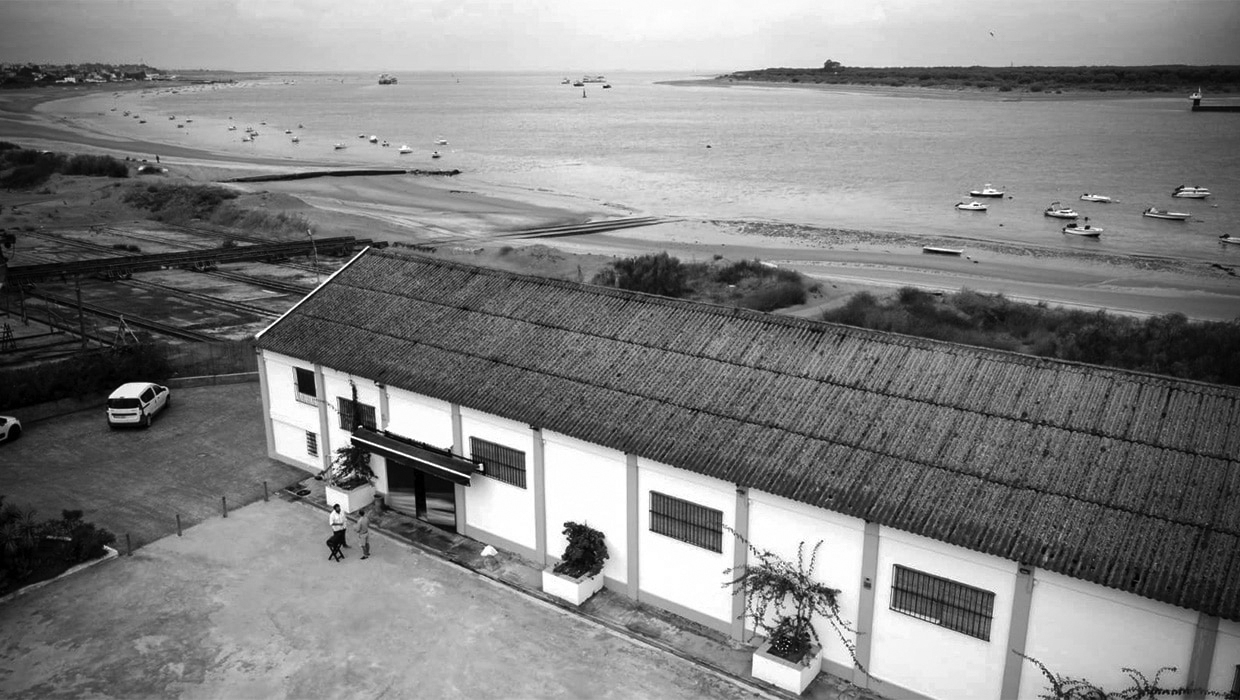 Bodegas del Río, Sanlúcar de Barrameda
This is a bodega that won’t be known much outside of the ‘Sherry Triangle’. Whilst Ángel and brother, Luis, are the fourth generation to farm in the region (their great-grandfather owned vineyards in the Miraflores Pago). Their grandfather closed the bodega however, only for their father, Don Ángel del Río to establish his own almacenista business in the mid-1980s.
Bodegas del Rio was officially founded in 1990 and sells Manzanilla to some of the best addresses in the region. Their most notable client is Lustau, with the majority of their ‘Papirusa’ brand being sourced from here. The brothers only started to commercialise wines under their own name as recently as 2022.
The Del Río family own 13 hectares located in the Viña Casilla Verde vineyard in the heart of the Miraflores Baja, the most prestigious Pago of Sanlúcar de Barrameda.
The building which now serves as the bodega was purchased in 1985. It was formally a warehouse for storing fishing nets. It sits directly on the Playa de Bonanza beach, which forms part of the Guadalquivir River estuary. It provides the perfect environment for the development of flor.
Their own Manzanillas are bottled en rama, which translates to directly from the barrel, without recourse to any clarification or cold stabilisation. We are also following this lead with our own Marquista releases.
‘Marquista’ Manzanilla En Rama
This is drawn from a 44-barrel solera with an average of four years of ‘biological’ ageing and drawn directly from cask.
‘Marquista’ Old Manzanilla En Rama
This is drawn from a 38-barrel solera with an average of four years of ‘biological’ ageing, with a further four years of ‘static’ ageing. Some bodegas in Sanlúcar might refer to this style as Manzanilla Pasada (aged Manzanilla). Only one saca (bottling) is drawn in the spring of each year, with just 1,500 bottles produced.
It was described to me by Luis as an ‘accidental amontillado’. Initially, the alcohol was 14.5% which is below the minimum of 15% ABV required for a wine to be classified as Manzanilla. It needed to be refortified…
‘Marquista’ Blanco de Albariza Palomino Fino 2024 vintage
This is a Vino de Pasto which is best described as an unfortified Manzanilla. The wines share a common identity with their fortified counterparts, since it is aged under flor, but the category doesn’t fall under the remit of the Consejo Regulador. There is a growing interest in this style of wine, as consumers seek wines with slightly less alcohol but retain the inherent characteristics of a Manzanilla.
The wine was aged in 15 old oloroso barrels and bottled in the spring of 2026. It carries an alcohol of 13%.
| ‘Marquista’ Manzanilla En Rama | pack shot | |
| ‘Marquista’ Old Manzanilla En Rama | pack shot | |
| ‘Marquista’ Blanco de Albariza Palomino Fino | pack shot | |
| ‘Marquista’ Dry Amontillado Style | packshot |